All Categories
Featured
: The distribution of your referring domains by Authority Ratings. Consist of the search engine, device, place, and language that you desire to track positions for. They need to include the search terms that you want to build topical authority around.
Scroll down to see the top-performing keywords for your domain and keywords for which your domain's exposure has increased ("Favorable Impact ")and decreased(" Unfavorable Impact") in the chosen duration. To see whether you're constructing topical authority. Then, compare your ranking positions before and after the material was released. You can change your chosen period utilizing the button at the leading right of the report.
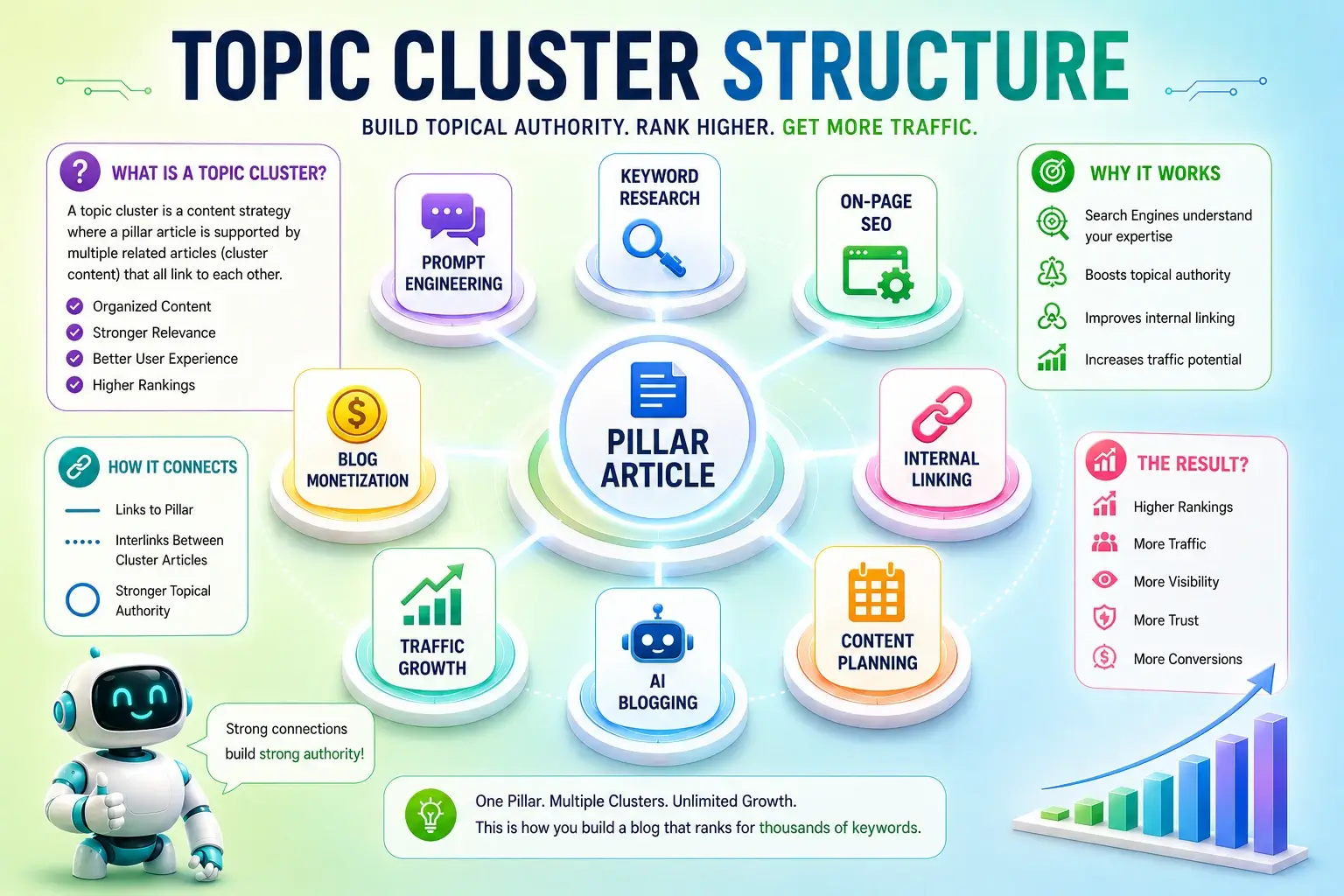
If you see favorable boosts in ranking positions, you're most likely structure topical authority in those subject areas. Visit to Google Analytics( GA4 )to see whether check outs are up or downFrom the dashboard, click ""in the top left corner. Then, go to "" >""> "."There, you'll see a breakdown of your traffic by channel. Look at the" Organic Browse "row and compare the data to what you saw from the previous duration. Prioritize structure topical authority with your material to build unstoppable.
How Machine Learning Drives Modern Search Algorithms
momentum. And utilize Semrush's AI-powered keyword tools to get a better understanding of your site's topical authority for your target search terms. So you can pursue the right terms to enhance your reliability. Check out the tools noted in this post with a free trial. If you have actually remained in SEO enough time, you know that Google has been trying to figure out genuine knowledge behind web files for several years. From the failed "Authorship"task to its E-E-A-T standards, we have great deals of proof of that fight. This is where the term" "stems from, and here's what you require to understand about it: As the term suggests, topical authority stands for the go-to resource for or a widely known specialist on (or both)a particular topic . I tend to think it's both because one can strengthen the other. Google works by determining and categorizing entities, so if your (personal) brand name is categorized in an appropriate category, you're one step closer to ending up being a topical authority. To prove this point, this is the requirements utilizes to identify and translate topical authority for each story:" How noteworthy a source is for a topic or place "(This is the entity category)."... a source's history of top quality reporting, or recommendations from professional sources, such as professional societies [and] journalistic awards"(These are referrals from other connections from other entities Google understands about).
But there are likewise excellent factors that Google looks at the material and authorship when recognizing topical authority: Topical authority is not a new concept. It's comprised of several authority signature entries. The patent keeps in mind that the goal is "to determine users with expertise in particular subjects." The patent also explores the possibility of how a series of files can contribute to the" Authority Signature Value"of their author. The authority signature value collects the author's weighted authorship on a topic throughout multiple documents they have authored. It's still exposing to know that Google has been giving this "authorship "data rather some thought for a long period of time. Searching Google will help you comprehend topical authority even better. From Understanding Panels to additional areas like"Articles"and "About, "you'll have a better concept of topical authority with the outcomes standing for branded searches: Google's brand-driven image search is also helpful in comprehending how Google categorizes any brand name: Now, let's get to some actionable suggestions here( I hope you got down here to discover it, but all the dull things above is very important to understand what we need to do to construct topical authority). Enough for you to have time and resources to format it well, surface it effectivelyon your site, and market it effectively to acquire other essential signals(like links and engagements). This sounds old, however it stays essential. From whatever I mentioned above, it's apparent that Google appoints topical authority based on the authoritativeness of the resource. Don't make it about quantity. Concentrate on widely known reliable resources. If Google understands one thing well it's entities and how these are connected. Being mentioned by other entities suggests ending up being part of Google's Knowledge base, that is, its map of the world. This isn't a simple process. You'll need to take a couple of steps, including: Get chosen and win market awards. Compose for widely known industry publications(this is what I am doing here, for instance )Participate in interviews(appearing in podcasts is likewise terrific ). Get prominent publications to cite your content (invest in top quality journalistic outreach ). Enter into professional organizations(and discuss that on your site ). Whatever you do will ultimately-straight or indirectly -help you establish yourself as a topical authority. All of these will contribute to your ending up being an entity, one action at a time. Schema helps Google connect all the dots. Google supports simply a couple of schema types but it mentions numerous times:"Go beyond those."Use Schema to connect to your authorities channels, markup your authorship, and include your locations of knowledge. Start by setting up a to tell Google a bit more about your brand and competence.
The more reliable material associated with a brand name, the higher the topical authority. Even websites with low Domain Authority (DA)canoutperform those with higher DA greater they excel in topical authority. By evaluating these successful posts, you can produce content that meets or exceeds these standardsRequirements thereby building developing topical authority in the eyes of search engines.

Latest Posts
How to Create Authority Systems Automatically With AI
Why AI-Powered Content Wins in 2026
Automated Content Strategies for 2026